

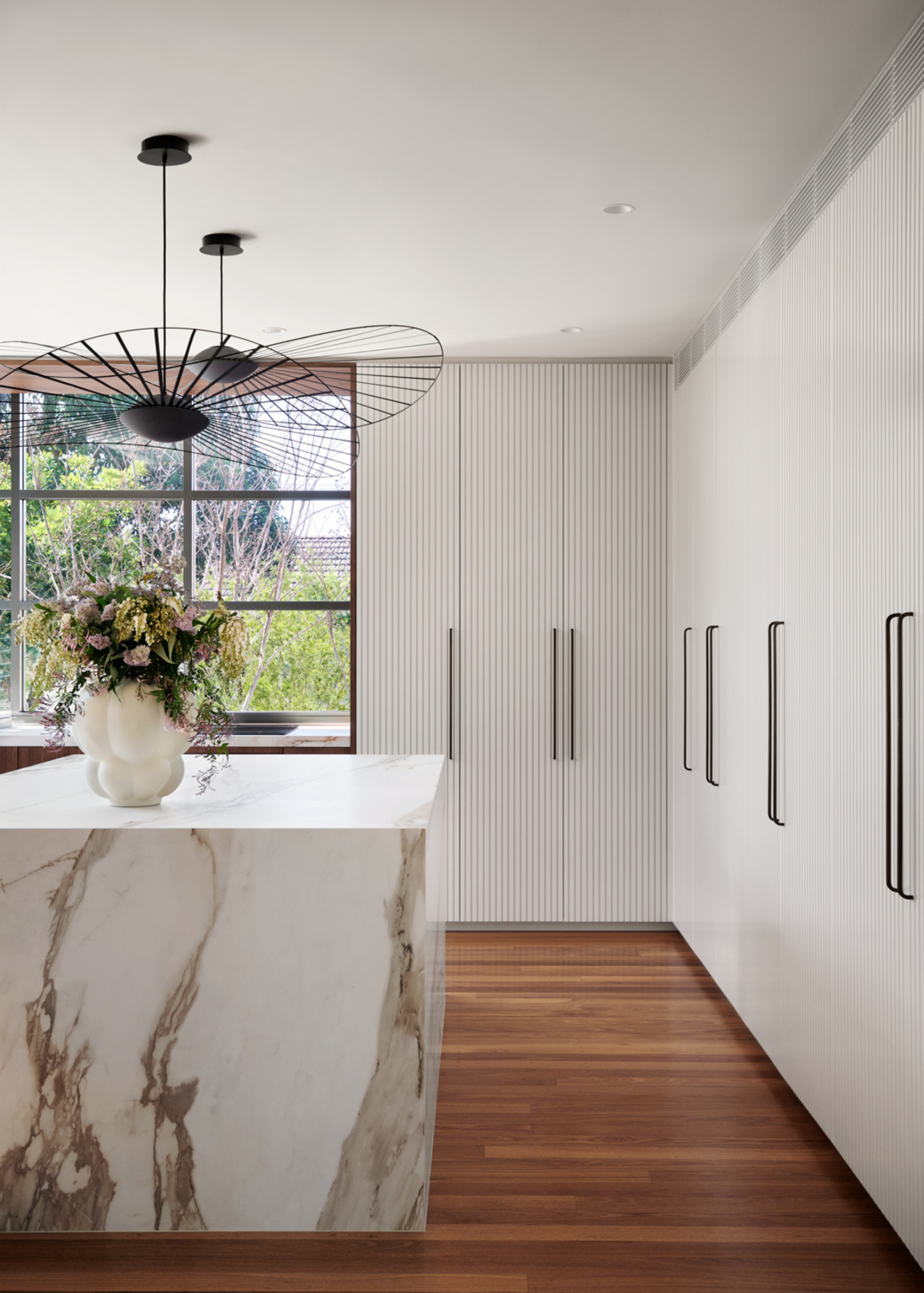
When it comes to choosing between a light kitchen and a dark kitchen, there’s really no definitive answer to give. The final decision will always depend on what’s best for the homeowner in question — what colors they’re drawn to, how they use the space, and the ambience they desire. Trends shouldn’t be the deciding factor, and while both dark and light kitchens have enjoyed moments in the spotlight, the most successful schemes are always the ones that feel personal and aligned with the way you live.
As one of the hardest-working rooms in the house and one you’re likely to look at every day for years to come, choosing a kitchen color that resonates with your true self is far more important than following the latest design craze, meaning the light option is probably going to be your best bet, to be honest. But if you’re really torn between the two, how do you know which you’re actually going to enjoy living with day in, day out?
From the ambience each creates to practical considerations like maintenance, natural light, and how the space will age, we’ve broken down the pros and cons of both light and dark kitchens to help you make a confident choice.

Light Kitchen Pros

A light, traditional kitchen that will stay timeless for years and years to come.
Light kitchens will always feel like the safe all-rounder — but that’s not necessarily a bad thing. Bright, airy and totally versatile, they’re the kind of spaces that rarely fall out of favor, so long as they feature character and quality materials. Whether it’s a crisp white finish, warm and welcoming neutrals, or pale timber tones, light cabinetry has a way of making a kitchen feel larger, fresher, and much more sociable.
One of the biggest advantages of a light kitchen is its ability to maximize any natural light. “They create a sense of openness and tend to adapt easily as decorating styles evolve over time,” says Emily Newmarch, design consultant at Kitchens By Holloways. She suggests how soft whites, warm neutrals, and natural timber finishes also provide a timeless backdrop that works across both contemporary and traditional homes. This is the kind of flexibility that gives a light kitchen some substance and depth.

Fourth Estate
The Kitchen Book: Good Food for Every Day – the Instant Sunday Times Bestseller

Emily Newmarch
Emily is a design consultant at Kitchens by Holloways, a design and build company that creates bespoke kitchens and thoughtfully planned interiors. Known for their holistic approach, the team considers not just the kitchen but the overall layout — whether it’s a single room, an open-plan space or an entire home — to deliver beautiful, functional designs that enhance everyday living.
Light Kitchen Cons

Floor-to-ceiling white cabinetry keeps the space tall, bright and clutter-free.
(Image credit: Fiona Susanto. Design: The stylesmiths.)
So, are there any cons to light kitchens? It depends on what you see as a drawback. Richard Misso, creative director of The Stylesmiths, says, “The downside is that without enough texture or contrast, they can sometimes feel flat or overly minimal.” He also notes that lighter surfaces may show marks and wear more easily.
Interior designer Mary Patton agrees, adding, “Their main drawback is that they can sometimes feel a bit safe or expected.” While nobody strives to be labeled predictable, this isn’t necessarily a disadvantage. If selling the home may be on the cards at some point in the near future, the timeless quality may just work in your favor a few years down the line. Plus, if you get your styling right in a light and airy kitchen, you’re winning — just think layers, texture and plenty of personality.

Richard Misso
Richard Misso is the creative director of The Stylesmiths. Established in 2014, his notable award-winning design practice has offices in London, Melbourne, Sydney, Brisbane, and the Gold Coast, Australia. At the heart of his philosophy is the belief that high-level interiors should be more accessible. His mission is to deliver authentic, bespoke interiors that reflect the client’s style and needs, creating meaningful spaces that are client-centric.

Mary Patton
Mary Patton of Mary Patton Design specializes in residential and commercial interior design as well as home and event styling. Her joyful and accessible approach to design provides clients with a gratifying experience. Mary creates elegant, eclectic interiors by mixing modern with vintage, and high art with personal treasures to create moments of unexpected beauty.
Dark Kitchen Pros

This kitchen with dark cabinetry uses the dark colors in a very light area of the space, cleverly zoning it to create a distinct change in use.
(Image credit: Mary Wadsworth. Design: Roundhouse.)
“Dark kitchens create a moodier, more dramatic aesthetic that feels sophisticated and design-led, particularly in larger spaces with good natural light,” assures Richard. They add depth and richness to a room, often through a cocooning effect that feels inviting from the moment you walk in.
Some say dark kitchens work best in an open floor plan, but I would go as far as to say that sometimes it’s the smaller, darker spaces that fit this kind of color scheme best. Emily agrees, saying that “A dark color in a small kitchen can be incredibly effective when used thoughtfully. Rather than making the space feel smaller, deep tones can create a sense of intimacy and drama, particularly when paired with good lighting and lighter elements such as stone worktops or warm metallic finishes.”
Of course, dark kitchens can also work in open-plan spaces. Emily notes that a deeper palette can help to ground the kitchen and give it a stronger sense of presence within the wider room.
She also makes an important point: “It’s less about glossy monochrome schemes and more about depth, texture and natural materials.” For example, “Deep greens, dark-stained oak, walnut and rich blues are increasingly popular because they create a sense of warmth, character and permanence.”
So, let’s be open-minded about this. Going dark doesn’t have to mean reaching for the black paint. Some of the most successful schemes use layered, earthy tones that feel rich without overpowering. Experiment with darker shades that genuinely appeal to you and see what combinations spark excitement and satisfaction. You’ll know when you’ve landed on something that feels right.

Zassenhaus
Zassenhaus Mano Cast Iron Pestle & Mortar
Include dark kitchenware to allow it to blend into the backdrop of cabinetry.
Dark kitchen Cons

Immediately you can feel the quality of materials in this contemporary kitchen
(Image credit: Nicole England. Design: The Stylesmiths)

Moss & Sweetpea
Artificial Trailing Moss in Concrete Pot
Soften a dark kitchen by featuring some green plant energy.
“Dark kitchens continue to be a strong design trend, but the look has evolved,” says Emily — and be warned, that’s when trends can become tricky. They are continuously shifting, which can make the darker option for kitchens less flexible long term if you’re choosing them purely because they’re popular right now.
Richard points out that a dark palette can make smaller kitchens feel enclosed if not balanced carefully, and while Emily is positive about the effect lighting can have on a dark kitchen, she also reminds us that the space will rely heavily on a good, careful lighting design.
Another factor to consider is the inevitable wear and tear. According to Mary, darker kitchen cabinets tend to show chips, scratches, and signs of use much more readily than light finishes, which is not great for long-term appeal.
So, when it comes to dark versus light kitchens, there isn’t a universally right answer, but only a right answer for your home. While lighter schemes are often considered the safer choice thanks to their versatility and enduring appeal, that doesn’t automatically make them the better option.
As Emily explains, “For most homeowners, lighter kitchens remain the safest all-round choice because they are adaptable, timeless, and suit a wide range of spaces. However, dark kitchens shouldn’t be dismissed. When paired with natural materials, thoughtful lighting and the right layout, they can feel every bit as welcoming.”
Richard echoes that sentiment, noting that good design should always be guided by the homeowner rather than what’s trending. “The best kitchen is ultimately one that reflects the personality of the people living in it, while still feeling balanced, functional, and enduring over time.”
Ultimately, the most successful kitchens are the ones that feel authentic to the people who use them. “The most successful kitchens aren’t defined by whether they’re dark or light, but by how well the palette works with the architecture of the room, the available light and personal style,” she says.
So before making a final decision, think less about what’s trending and more about how you want the space to feel every day. After all, the modern kitchen you’ll enjoy living with most is the one that feels like home from the second you enter it.
For more design ideas for your kitchen and beyond, why not subscribe to the Livingetc newsletter, and all the latest will be delivered directly to your inbox.
