

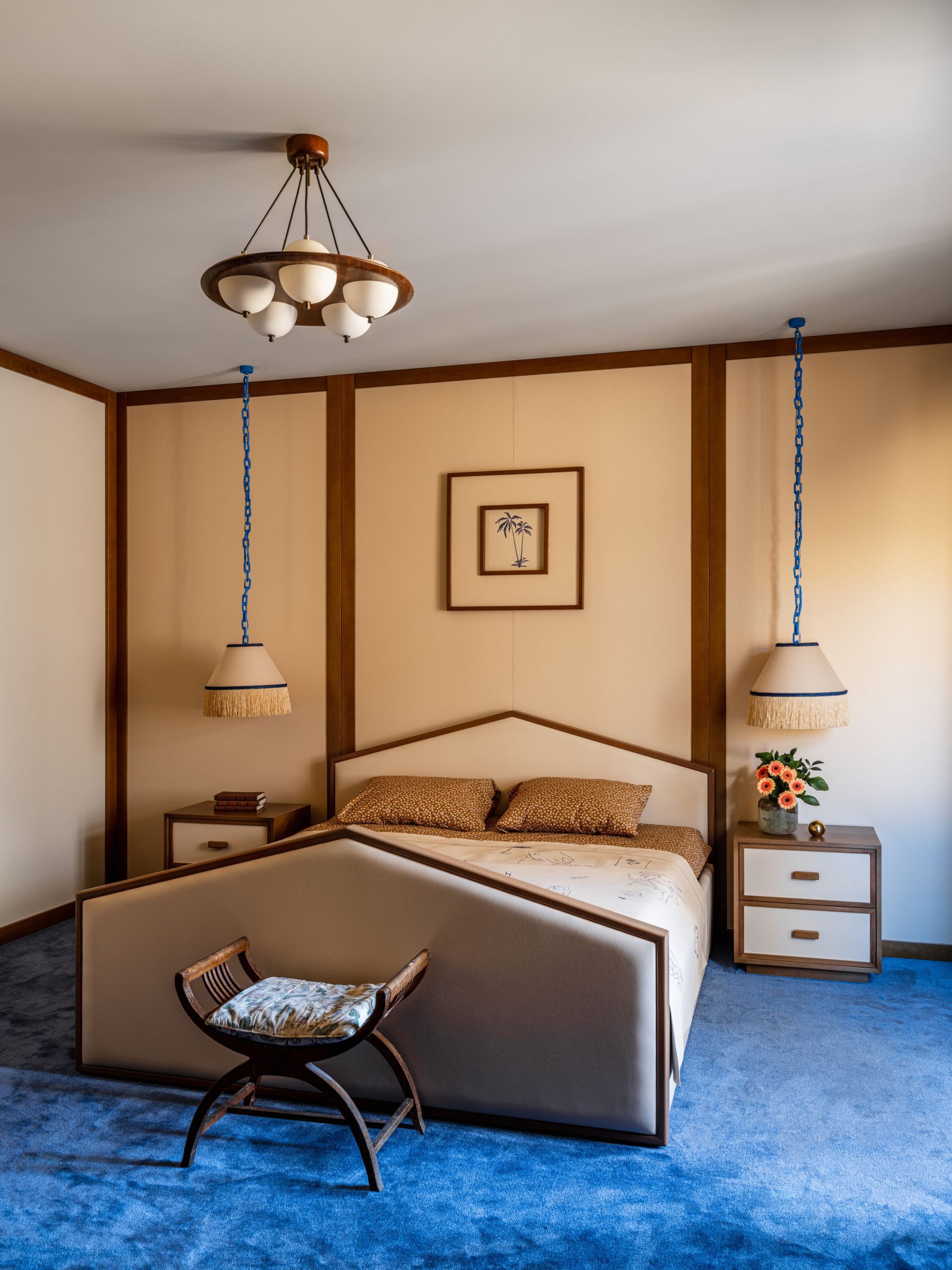
Our bedrooms are the most personal spaces in our homes. Living rooms are for socializing, kitchens are much more functional, so our bedrooms tend to become the most relaxed, private, and cozy parts of our home. And while it can be fun to experiment with color, prints, and different styles, jumping on certain trends (and too often) can make our sleep spaces feel restless. The last thing you want is a distracting bedroom that feels dated.
Bedroom trends have become bolder in recent years, from dramatic color drenches to oversized upholstered headboards; but “the overarching shift for 2026 is toward spaces that feel softer, more enveloping, and intentionally restrained,” says interior designer Abigail Kahan. “The bedroom is increasingly being treated as a true sanctuary, and that means prioritizing comfort, texture, and atmosphere over decorative excess.”
That’s not to say we should avoid personalizing our bedroom, but that we should approach it with a sense of elevated restraint. And where should we restrain in particular? Below are three surprising interior trends designers say are starting to feel a bit dated in 2026 and, of course, what they recommend doing instead.

1. Painted Bedroom Walls
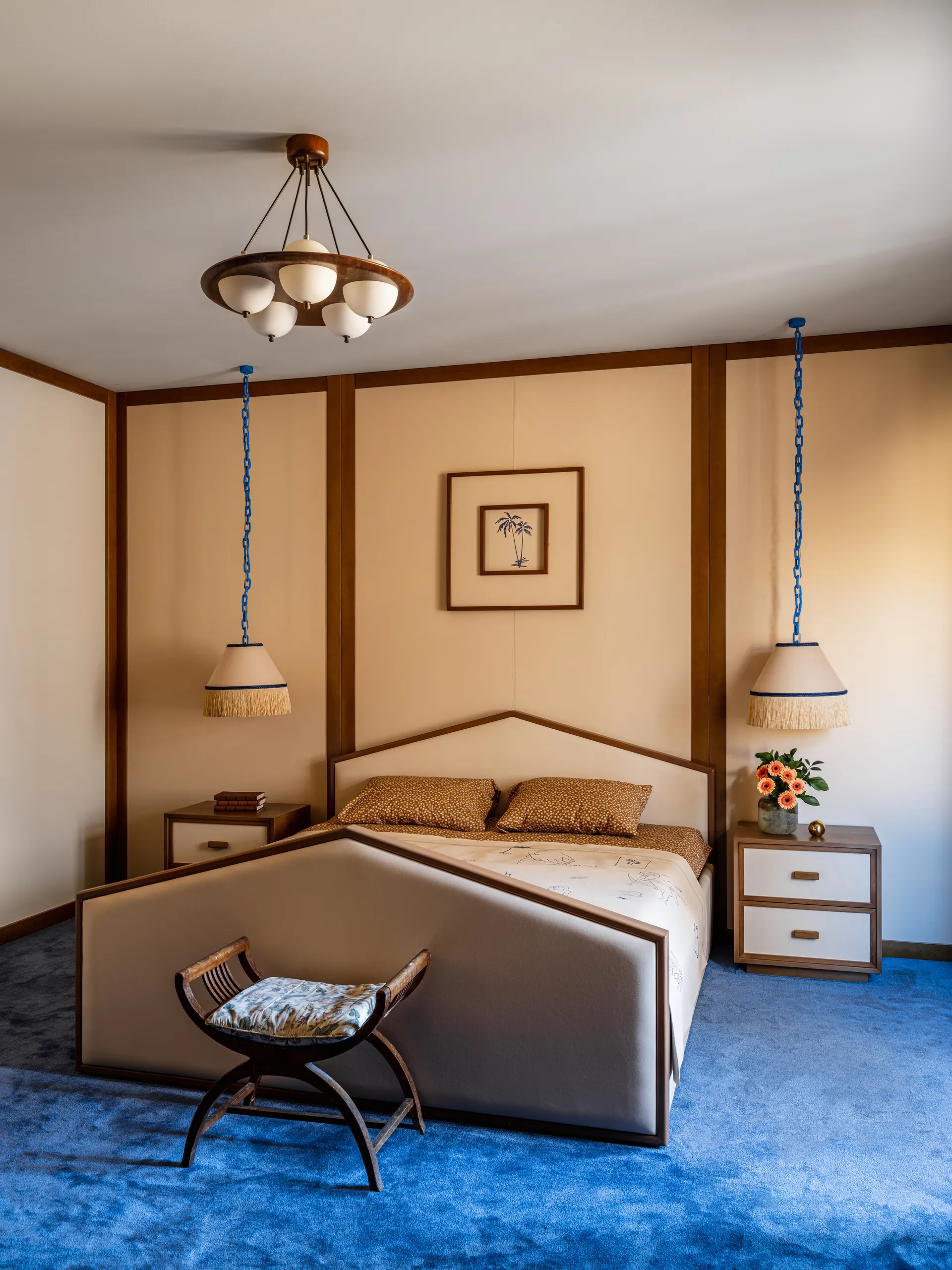
INSTEAD: Textured wallpapers, fabric covers, and wood paneling make for a visually appealing and serene bedroom.
(Image credit: Tim Veresnovsky)
I know, it sounds shocking to say that painting your bedroom walls could be ‘out of style,’ but what this really means is that you don’t always have to rely on paint to make a wall interesting.
Instead, designers are turning to wallpaper trends, textured wall coverings, and upholstered surfaces that bring warmth, softness, and acoustic benefits to the space. “Wrapping walls — and even ceilings — in the same material creates a cocooning, monochromatic effect that feels both luxurious and deeply calming,” says Abigail Kahan. It’s an even more dramatic form of drenching with a captivating tactile element.
“We’re also seeing a preference for continuity of material throughout the room,” adds Abigail. “Using the same fabric across a headboard, wall treatments, window coverings, and even portions of the ceiling creates a serene, immersive environment that feels far more sophisticated than mixing multiple competing patterns and finishes.”
Extended headboards work well for this look, as they create a color-blocked effect on the wall. Or even try a colored carpet in the bedroom to carry a shade throughout the space.

Graham & Brown
Crocodile Blanc Wallpaper

John Lewis
Tweel Wallpaper in Caramel

Westwing Collection
Wooden Bed Nanto With Drawers Tables and Headboard
Abigail Kahan is a New Jersey-based interior designer and the founder of Abigail Kahan design studio. With a foundation of deep research, expertise, and a client-centric approach, Abigail strives to blend timeless vision with modern artistry.
2. Too Many Decorative Pillows

INSTEAD: A pared-back pillow scheme, or just enough pillows to sleep on, is preferred in 2026 .
(Image credit: Jared Kuzia. Design: Moore House Design)
“I’d also argue that decorative throw pillows have largely had their moment,” Abigail says. “Rather than piling the bed with cushions that must be removed each night, we’re seeing a return to beautifully dressed bedding.”
Bedding trends have definitely shifted to a tastefully pared-back aesthetic. 2026’s schemes favor an elongated bolster pillow or a minimalist bed styling aesthetic rather than an over-the-top pile of throw pillows.
However, this doesn’t mean you have to drastically cut down your pillow arrangement. Molly Clearwater, co-founder of Secret Linen Store, recently told me that six is the perfect number of pillows for a bed — four for sleeping, two for styling.
Things like “a thoughtfully styled top sheet folded over the pillows feel more elegant, effortless, and livable,” adds Abigail.

Bed Threads
Lagoon Heavy Linen Bed Cover


Secret Linen Store
Natural 100% Linen Standard Pillow
3. Strict Symmetry

INSTEAD: Bedrooms are more characterful and personal in 2026, and a collected, mismatched look caters to this well.
(Image credit: Zack DeZon. Design: Moore House Design.)
Perhaps the most surprising shift is the move away from strict symmetry in design. For years, matching nightstands and identical lamps were considered the gold standard. Today, “a more collected approach feels fresh,” says Abigail. Perhaps a desk on one side, a nightstand on the other, or differing lighting elements that better reflect how each person uses the space.
Learning how to thrift these details can also help bring more character to a bedroom and keep it from feeling too symmetrical. Or even something as simple as hanging slightly off-center art above your nightstand can help create a perfectly imperfect balance.
In a similar vein, “the reliance on a single central ceiling fixture in a primary bedroom feels a bit dated,” says Abigail. “It can often feel overly formal or disconnected from how the room is actually used.”
Instead, layered lighting schemes are much more compelling, “particularly when integrated directly into architectural elements,” says Abigail. Built-in reading lights or subtle illumination incorporated into a headboard create a more intimate and functional environment.

FUZHOU HOMEWARD DECOR CO. LTD
Mid-Century Rattan Bedside Table

West Elm UK
Zig Zag Table Lamp

Oliver Bonas
Alyssa Blue & Brown Photo Frame
Overall, the bedrooms that feel most current are less fussy, less decorative for decoration’s sake, and more focused on creating a curated sense of comfort. “The emphasis is on thoughtful restraint, tactile materials, and bedrooms that genuinely support rest and wellbeing,” says Abigail.
For more inspiration, be sure to subscribe to the Livingetc newsletter.
