

A fresh coat of paint does wonders for your outdoor space, but fall into the trap of common garden painting mistakes, and you’re left with a rather expensive and unavoidable problem. As we begin to spend more time in the sunshine, the goal is a garden that entices the senses and encourages longer lingering, and that won’t happen with a lackluster paint job.
So, what are the most common garden painting mistakes, and how can one avoid them? As you can imagine, proper preparation and the right finish should be considered from the beginning. However, less obvious things, like how your wall color or painted furniture blends with its natural landscape, will also impact your final result as well.
Current exterior paint trends prove there is room to have fun with your garden color choices while still remaining timeless. The one thing we don’t want is a garden that feels bland or basic, so below are five garden painting mistakes to watch out for.

1. Poor Preparation

DO INSTEAD: Take the time to properly prime and prep before beginning your garden painting project.
(Image credit: Dulux)
If you’re looking to repaint your home’s exterior, timing and preparation will be just as important as the color you choose. “In the UK, the best time to paint the outside of your home is usually between late spring and early autumn, when the temperatures are mild, and conditions tend to be the driest,” says Anna Hill, brand director and color consultant, Fenwick & Tilbrook.
This kind of planning is really important because “the paint needs time to cure properly,” explains Anna. “Avoiding rainy seasons, frosts, or extreme cold or heat will ensure a longer-lasting finish.”
As with all paint jobs, preparation is key to achieving a high-quality, durable finish. Ensuring surfaces are clean, dry, and properly treated (a good base coat like Dulux’s Weather Shield Primer is always a good idea) before painting is the best way to avoid this common garden painting mistake.
Anna Hill is the managing director and color consultant of UK-based paint brand, Fenwick & Tilbrook. As a family-run business, Anna lives and breathes color, but, just like the brand, prefers shades that feel more nature-inspired, like teal.
2. Using Overly Bright Colors

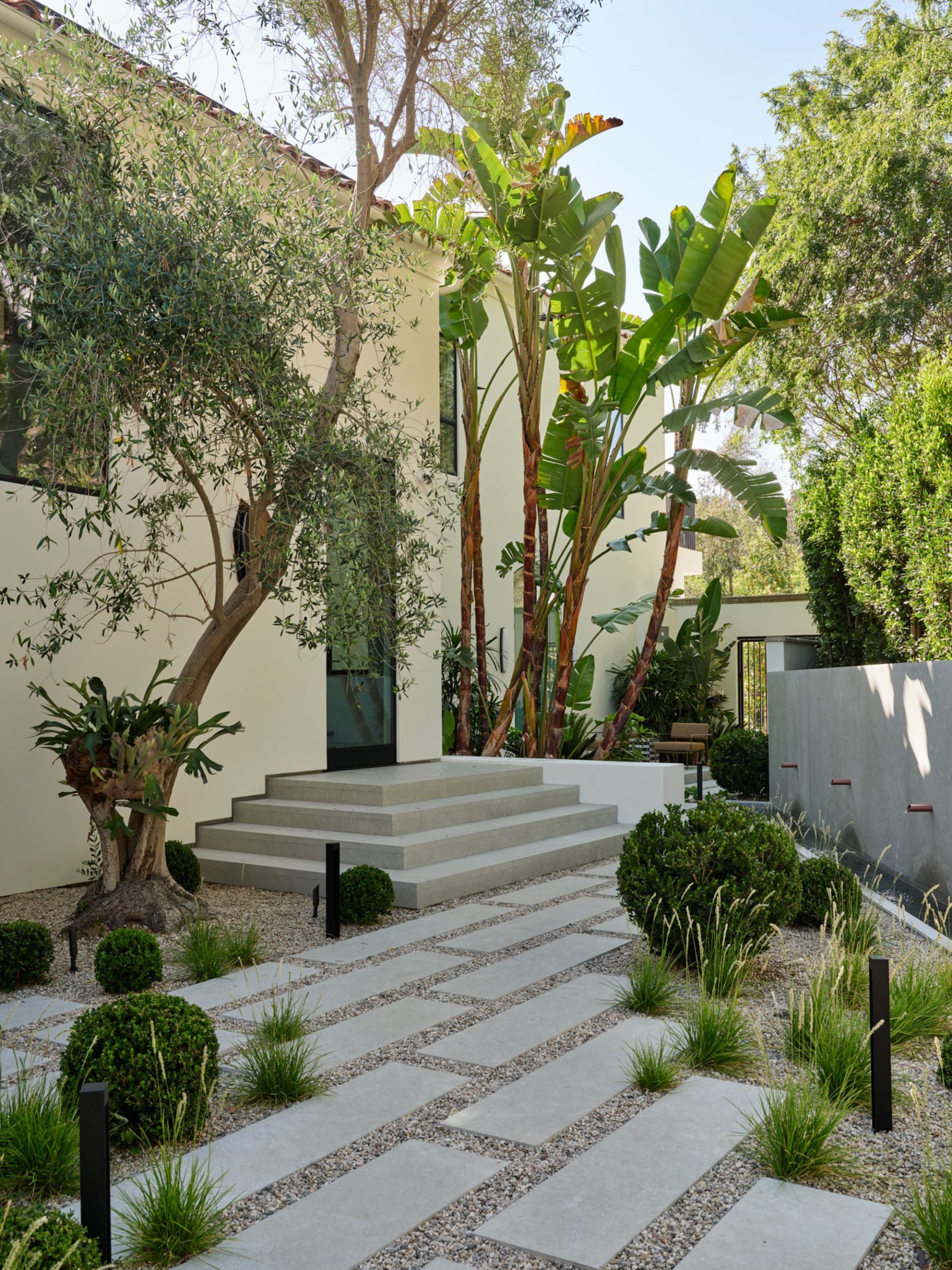
DO INSTEAD: An off-white or cream color has a much more harmonious feel in the daylight and foliage.
(Image credit: Roger Davies. Design: Studio Emblem & Co)
Neutrals like whites and grays are, of course, a very classic outdoor paint choice — they’ll likely never find their way onto an outdated exterior paint color list. But people often overlook how these shades will actually live in a garden.
“The biggest mistake homeowners make when choosing colors is selecting something too bright, too cold, or too flat in natural daylight,” says Anna. Strong whites and cool grays tend to look quite harsh outdoors, especially in the UK or places with softer lighting.
In reality, your sleek, stylish, all-white garden may actually read more as flat. This is because “Outdoor light tends to soften colors significantly, so shades can appear very different once painted across a large exterior surface,” explains Cathryn Sanders, color expert at Earthborn paint.
The best way to avoid this garden painting mistake is to choose a color with a little more nuance. Perhaps a soft yellow (like French Stone from Little Greene) or a muted taupe (like Stirabout from Farrow & Ball) is a neutral that will appear more soothing.
3. A Completely Monochrome Palette

DO INSTEAD: Layer in warm, rich, or earthy tones for a more well-rounded garden paint palette.
(Image credit: Heal’s)
Similarly, overly matching everything in one color can leave your home looking lifeless and lacklustre. To avoid this, “Stay away from overly stark, monochrome schemes or any overly saturated shades that fight against the natural surroundings,” says Anna.
Instead, opt for layered, earthy color palettes or contrasting accents to bring warmth and eye-catching detail. This doesn’t mean a tonal garden color scheme can’t work; it just means you need to be strategic about your accents.
“Introducing contrast through interesting exterior trim colors, front door shades, or garden furniture can help create a more inviting and visually interesting exterior,” adds Cathryn.
4. Not Considering Your Homes Surroundings

DO INSTEAD: Consider how your paint colors blend with the surrounding landscape.
(Image credit: Anson Smart Design: Yasmine Saleh Ghoniem)
This leads us to the next garden painting mistake of not considering your home’s natural surroundings. For instance, you might not want to introduce deep blacks and blues if the goal is to create a warm, Mediterranean-style garden.
You can still experiment with bold colors, but balancing the different contrasts and complements is key. A lush green garden would look stunning with pops of terracotta paint.
“The most successful exteriors usually work in harmony with neighboring homes, landscaping, and the architectural style of the building itself,” says Cathryn.
5. Choosing the Wrong Finish

DO INSTEAD: Pick a finish that feels natural in your outdoor space.
(Image credit: Berlo outdoor wall light from Lime Lace)
And lastly, it’s really important to choose the right paint finish for the surface you’re painting. First of all, certain finishes are designed specifically for exterior use, so they can withstand changing weather conditions while maintaining their appearance over time. But you should also consider what it is you’re painting.
“For woodwork and doors, an exterior eggshell in a water-based formula will be best as it can withstand harsh weather conditions and flex to the substrate, without fading or cracking over time,” says Anna. (Farrow & Ball’s exterior eggshell line is a good choice for this.)
For render, masonry or blockwork, “a high-quality masonry paint is recommended, particularly one formulated with UV-resistant pigments and flexible properties to ensure a durable, long-lasting finish,” adds Anna. (Dulux’s Weather Shield Masonry Line is one of the highest-rated choices.)
And while there is room to get creative, Cathryn warns against using high-gloss finishes outdoors: “It can sometimes feel too harsh against the softness of natural surroundings,” she explains. More natural-looking matte or soft low-sheen finishes tend to sit more comfortably within outdoor spaces.
A job well done always starts with a job well planned. These are the top garden painting mistakes to avoid if you don’t want a dull and basic garden, but you might also want to see what things are worth clearing from your garden before summer really begins — we can help with that too!
For more inspiration, be sure to subscribe to the Livingetc newsletter.
