

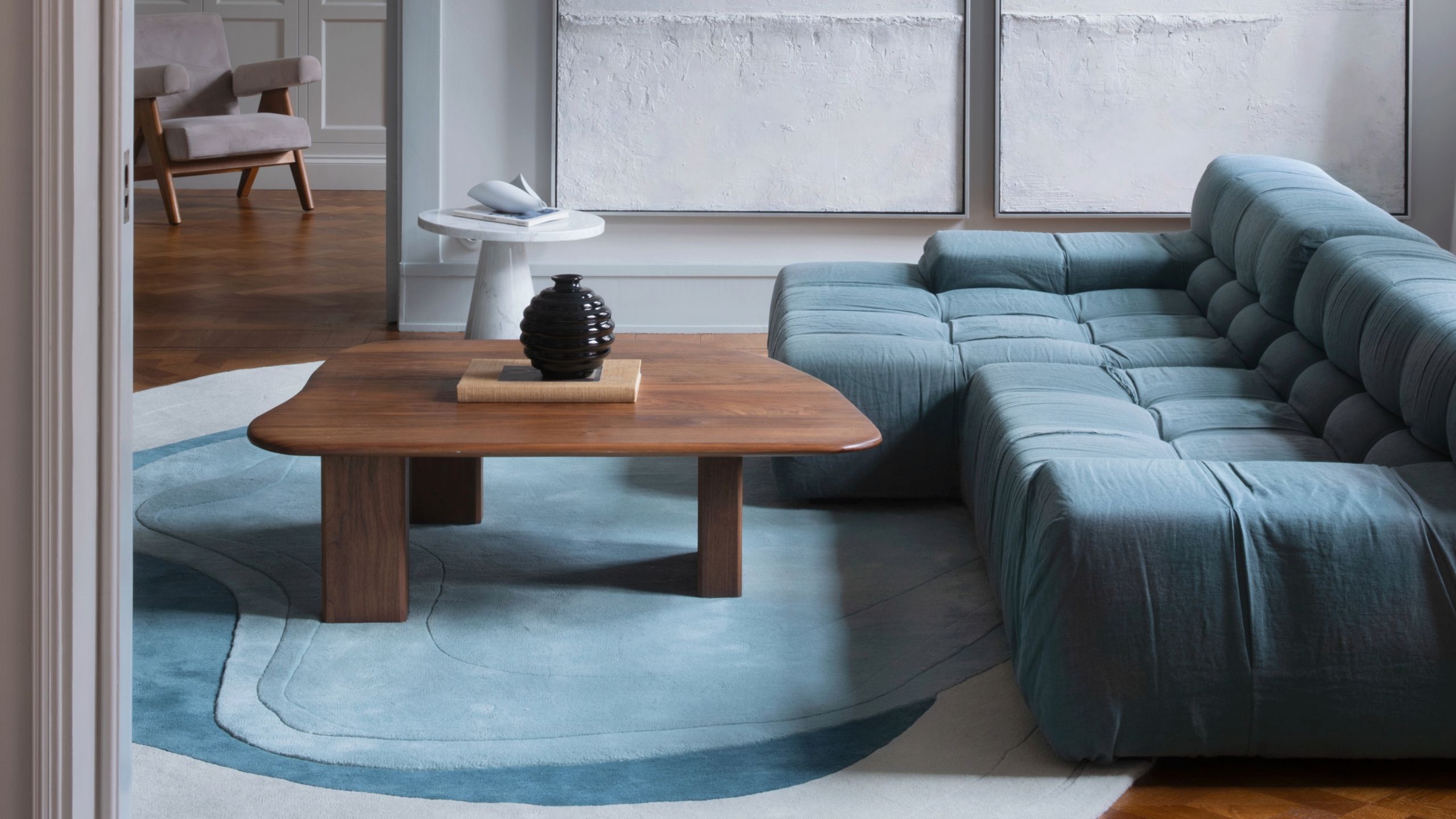
You’ve heard it before, but it’s always worth saying again: Scandi design is timeless. If anything, though, that makes the trends emerging from trade fairs and furniture showrooms in Stockholm, Copenhagen, and Oslo even more notable.
Typical of Scandinavian design, these new looks are less about ‘wow’ visual statements and more about subtle (but no less thoughtful) shifts in styling. With the biggest interior design trends encompassing everything from tactile surfaces to whimsical embellishments, Nordic style now offers as much for the maximalist as it does the minimalist — all while holding onto its innate sense of calm.
So, what are the Scandinavian design trends to know right now? Read on to discover the latest looks and why they translate beautifully into cool, contemporary spaces.

1. Layers of Texture

Bouclé, linen, and wool offset different interpretations of the same wood in this Scandi-inspired project.
(Image credit: Nick Dearden. Design: YAM Studio)
Nordic designers love embracing the region’s natural materials. Pale birch and washed oak, plus smooth stone and slubby textiles, are hallmarks of the Scandi look, but there’s a shift toward texture-led spaces as opposed to purely material ones.
“Material remains consistent, but changes in texture add depth, shadow, and visual interest,” explains interior designer Kashi Shikunova, founder of the Scandi-inspired YAM Studio.
“Rather than introducing lots of different materials, it’s about keeping your palette simple and layering textures together to create richness in a more subtle and cohesive way,” says Kashi.
The designer used fluted detailing on the shelving doors in the project above, making the wood a point of interest without introducing additional materials. “Switching the finish creates a welcoming look, especially alongside tactile fabrics that soften the crisp joinery and make the space feel more inviting,” she explains.

With a background in interiors and architecture, Kashi established her own design studio in 2013. Ever since, she has since brought a Scandi-inspired look and minimalist aesthetic to high-end residential projects across the UK.

String
Shelf Pocket in Oak-White
Scandi design brand String’s wall-mounted shelving is an excellent way to layer pale oak into your space.
2. Sculptural Shapes, Plural

Curved designs and angular forms are becoming the rule, not the exception.
(Image credit: Vigo Jansens. Design: House 44)
From Verner Panton lamps to Hans Wegner chairs, Scandi decor can look more like art than something purely practical. These pieces have long been used by designers for contrast beside more standard, rectangular shapes, but they’re now becoming a default option rather than an accent.
“In a region that has always celebrated sculptural forms, we’re noticing these pieces combined together rather than working as standalone statements,” says Nanna Liv, creative director of London-based House 44.
“When pieces share a common visual harmony, there’s a greater sense of flow in a space,” the interior designer explains. “This is a shift where forms, materials, and proportions are now more in conversation with one another, working to create an effortlessly balanced look.”

&Tradition
Flowerpot Portable Table Lamp Vp9 in Mustard
A design classic updated for contemporary life, this shapely portable lamp would look right at home on a curved side table.
3. Muted Prints

Decorating with stripes may be a classic, but Scandi designers are increasingly using them in softer shades.
(Image credit: Finn Christian Peper. Design: Ferm Living)
“Stripes have always belonged in Scandinavian interiors,” says Dorothea Gundtoft, the writer, curator, and author of New Nordic Design. “This region loves pattern, but with discipline, and you can’t get more graphic and orderly.”
“What feels fresh now is the stripe being interpreted in a softer palette,” says Dorothea. “Upholstery fabrics in colors like taupe, faded gray, and muted brown are reflecting a new, quieter approach in Scandinavian design.”
These shades allow a piece’s form and materials to share some of the spotlight, softening even the boldest, widest stripes to look and feel more livable in the long term. “Today, the calm, rhythmic, and easy-to-live-with approach feels chic.”

Ferm Living
Rico Sofa 2-Seater in Sand/Off-White
The subtle stripe and gentle curve of this sofa make it a surprisingly timeless choice in Scandi spaces and more eclectic ones alike.
4. Maker’s Marks

From Scandi-style window dressings to ceramics, subtle imperfections reflect a handcrafted quality.
(Image credit: Jenny Forsberg. Design: Att Pynta)
Scandinavian design is moving toward a more expressive style. “Nordic interiors value simplicity above all else, but today’s designers are also increasingly embracing visible craftsmanship, irregular finishes, and natural variation,” explains Kai Pryce, co-founder of Att Pynta.
Indeed, this year’s 3daysofdesign fair saw the iconic Danish brand &Tradition focus minds in Copenhagen with an exhibition highlighting ‘the enduring marks of design, craft, and culture’. Elsewhere, we spotted vases handcrafted from steel as well as wooden stools with joints left purposefully exposed.
“This reflects our growing desire for authenticity and individuality,” suggests Kai. “Designers are reacting to this by celebrating organic forms, textured surfaces, and hand-finished details, creating spaces that feel more layered, personal, and lived-in.”

Att Pynta
Sabine Glass Vase in Pale Yellow
This handcrafted vase, made from pale yellow glass, is ideal for a one-off display or nestled among other artisan pieces.
5. The ‘New’ Old

Vintage pieces are being used rather than simply admired.
(Image credit: Alex James. Design: Pringle & Pringle)
Scandinavian design brands have created some of the most timeless pieces of furniture and lighting, so it’s no surprise that blending these design classics with more contemporary elements works so well. The trend worth paying attention to, though, is less the rise of vintage and more how well these pieces slot in with the ‘new’.
Rather than making a vintage piece the cornerstone of your space, it should be a useful, hard-working element within it. “The ability to combine contemporary architecture and modern furniture with vintage pieces, without anything feeling forced, is key,” explains Sophie Pringle. “Mix periods confidently but edit carefully.”

Sophie leads an award-winning team to create spaces that are full of character. Her Arran project, pictured above, was recently honored by the British Institute of Interior Design.
In the space above, the interior designer has used a classic Utrecht chair and vintage timber sideboard alongside more restrained pieces and other practical essentials. “If your space feels lived-in rather than styled, it will feel complete,” she says.

Fritz Hansen
Series 7 Chair
Whether you buy this Arne Jacobsen chair vintage or brand-new, it will lend your space some serious Scandi design credibility.
6. Off the Wall

Edging your sofa even just a few inches from the wall makes a space feel more relaxed.
(Image credit: Richard Gooding, Design: Tollgard)
In Scandi homes, sofas are emerging out of corners and drifting away from the wall. “One of the biggest shifts we’re seeing is the sofa being pulled right into the room itself,” says Louise Mengel Læsø, head of design at Wendelbo.
While the Livingetc team noticed sofa islands having a moment earlier this year, you don’t need to have a sprawling space to make a floating sofa work. “Even in smaller homes, this move is about subtly rethinking your layout to make it more inviting and open,” says Louise.
“Rather than treating them as something to sit just around the edge of a space, sofas are becoming the piece to define a room,” she adds. “Modular designs are particularly effective as they allow for creative, flexible compositions no matter the size of your space.”

Heal’s
Lilli 3 Seater Sofa
Designed in collaboration with Danish studio Says Who, this sculptural sofa is a comfortable candidate.
7. Play and Display

The Scandi look has never been afraid of a little fun.
(Image credit: Fredrik Sweger, Design: Design House Stockholm)
Usually prized for its restraint and functionality, Scandi design is showing a little more of its OTT side. “Color and playfulness are important trademarks of Scandinavian living,” says Anders Fardig, founder of Design House Stockholm.
“The difference now is how we use it,” he suggests. “Rather than allowing color and pattern to become white noise, they become something to admire and appreciate because they’re not constantly present. We bring them in through details, every now and then.”
Swedish ceramicist Lisa Larson’s decorative birds, originally created in the 1960s, were showcased as part of Anders’ showcase at this year’s 3daysofdesign and exemplify this use of creativity and color. “They’re a simple way to make someone happy,” he explains.

Jonas Grundell
Nordic Light in Red
This colorful candelabra can be arranged in a number of different ways to become a functional focal point.
While the latest Scandinavian design trends retain the cool, calm aesthetic that makes Nordic style such a favorite, they’re gently evolving the look. With individual nudges on layout, pattern, and material, these reflect the region’s wider sensibility. “We don’t buy into quick trends,” explains Dorothea Gundtoft.
Keen to know more? Scandinavian design rules are always a great starting point, no matter your style. And you can always subscribe to Livingetc’s newsletter for even more inspiration.
