

This year’s Tribeca Film Festival, which concluded this past weekend, had one of the most fashion-minded programming in its 25-year history. The short films category, in particular, proved to be one stylish affair: There was the buzzy Madonna Confessions II film to behold, for starters, which saw the Queen of Pop debut six new songs while wearing custom Dolce & Gabbana looks.
But there were two other standout shorts that provided a different kind of fashion experience—ones that aimed to provide a more hopeful and optimistic future for the fashion industry.
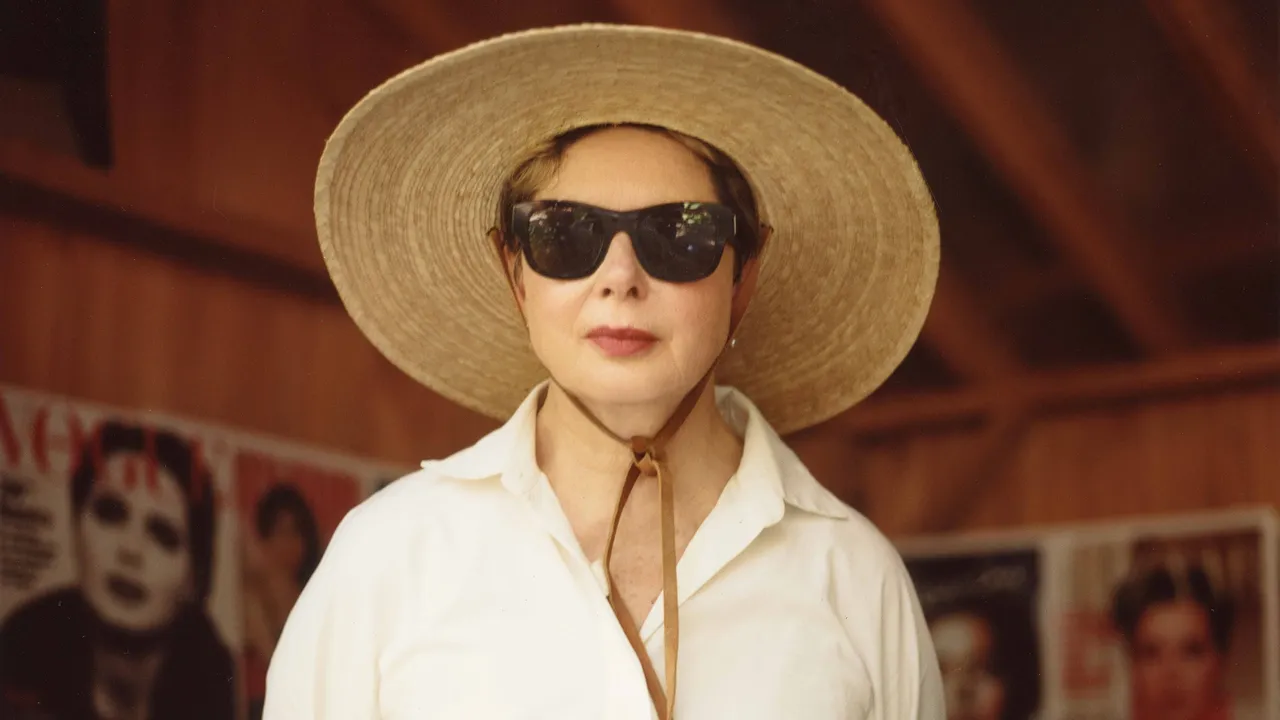
Oliver Halfin’s Farm to Fashion—starring actor Isabella Rossellini, and designers Donna Karan and Mimi Prober—imagined what a sustainable fashion ecosystem could look like using sheep’s wool; “Couture to the Max,” by Dori Berinstein, also followed the thrilling ascent of 9-year-old fashion prodigy Max Alexander, and pondered what the next generation of fashion talent can look like.
Missed seeing these fashion films for yourself? Read Vogue’s recap of the standout screenings below.
Farm to Fashion
Can fashion look to sheep to envision a more sustainable fashion future? The new short film Farm to Fashion, made in partnership with the New York State Department of Agriculture and Markets, argues that the answer is a resounding yes.
In director Oliver Halfin’s charming short, executive produced by Susan Easton and legendary fashion publicist Kelly Cutrone, the film follows an intriguing textile journey: It traces how sustainable sheep’s wool, sourced from an upstate New York farm, can end up on the high-fashion runways in Manhattan—and how that production process may not be nearly as challenging, expensive, or laborious as one may think. “Farm to Fashion is a powerful story that returns to fashion’s roots and natural resources, as the industry reimagines itself for the future,” says Halfin.

It’s no secret that fashion holds a large impact on the environment—especially global carbon emissions and water waste—so “Farm to Fashion” ponders what an industry could look like if it valued nature-based solutions, such as utilizing natural agricultural methods (such as harvesting sheep’s wool).
The film centers on industry heavyweights such as Isabella Rossellini, who owns the Mama Farm upstate—a destination that not only ethically sources and distributes sheep’s wool, but also encourages students or visitors to learn how to harvest and create using the natural fiber (which is known for its moisture-wicking and temperature-regulating properties). “Through Mama Farm, where I keep several breeds of sheep, I have come to appreciate how much knowledge, care, and collaboration are required to create something beautiful,” says Rossellini. “The film celebrates the people across New York who are helping rebuild a local fiber economy rooted in craftsmanship, biodiversity, and community.”
