

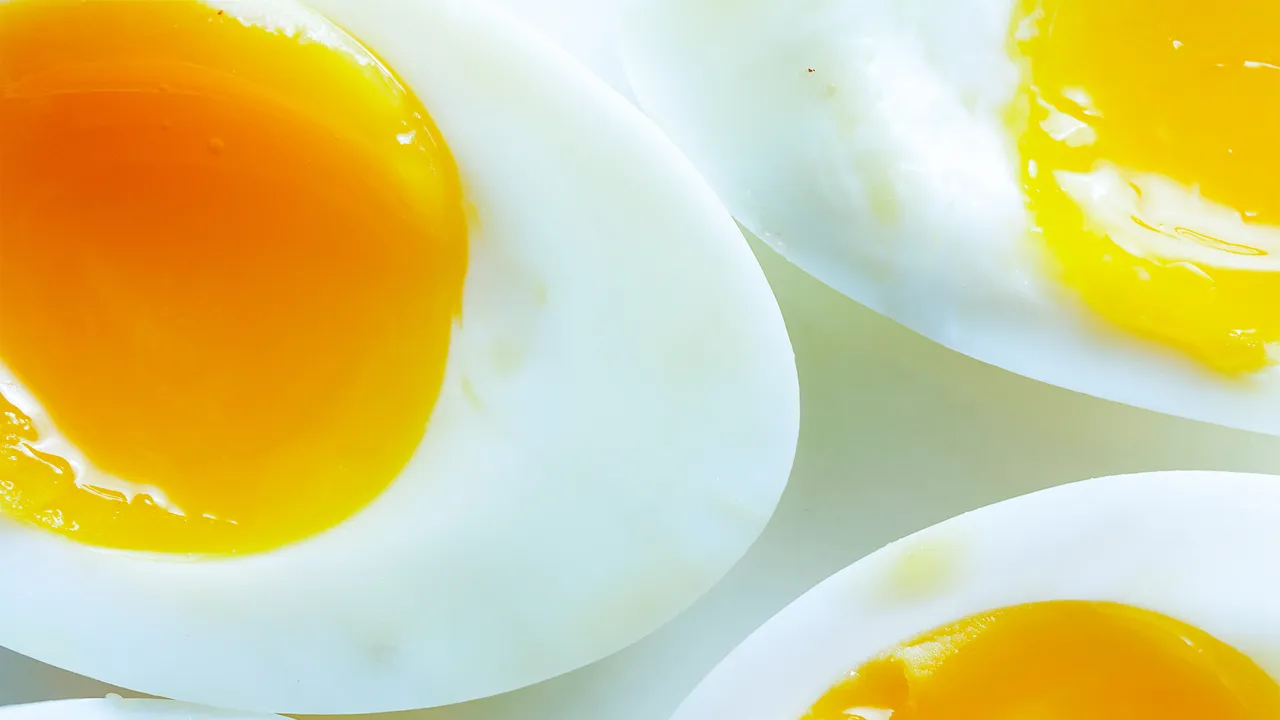
Supporting your immune system is a year-round job. For when it feels like your morning glass of OJ or zinc supplement isn’t cutting it, consider the humble egg: The refrigerator staple is a nutrient-dense, high-protein, immunity-strengthening hero.
Maybe you’re feeling a lingering fatigue, or a tickle in the back of your throat. What do you reach for when your immune system feels compromised? Your first thought might be, yes, to load up on vitamin C-rich foods, like oranges, and your omega-3s, but eggs are a heavy hitter, too.
How does diet impact your immune system?
Before we get to the eggs, it’s important to understand how diet can affect your immunity. According to a scientific review published in the journal Nutrients, 70 to 80% of immune cells live in your gut. The review notes that your gut microbiome influences your T cells (white blood cells that fight disease) and “can support the suppression of inflammatory responses.”
“Diet plays a very important, supportive role in immune function,” says Heather Viola, DO, primary care physician and medical director at Mount Sinai Doctors Primary Care Faculty Practice. “Diet doesn’t necessarily ‘boost’ immunity, but it provides minerals, vitamins, and protein that immune cells need to develop, communicate, and respond effectively.”
Are eggs good for immunity?
In short, yes. Eggs are considered a “high-quality” protein, meaning they “contain all essential amino acids in adequate proportions and are well absorbed,” Viola says. She adds, “Immune cells and antibodies utilized for protection are made from amino acids.”
One amino acid found in eggs that’s especially important for immune function is tryptophan. A scientific review published in the journal Frontiers in Nutrition reports that tryptophan “is necessary for protein synthesis,” so it’s essential for “cell division and development” and must be obtained from your diet.
“Tryptophan is particularly interesting because it is linked not only to immune regulation but also to serotonin and melatonin pathways, connecting protein metabolism, sleep, and immune function,” says Jan Stritzke, medical director of German health resort Lanserhof Sylt.
Plus, eggs are “a remarkably nutrient-dense food,” he says. “Beyond providing highly bioavailable protein, they contain selenium, vitamin B12, folate, choline, and small amounts of vitamin D—nutrients that contribute to immune function and cellular resilience.”
Still, Stritzke notes: “I would not call eggs a ‘magic immune food,’ but they can certainly be part of an immune-supportive dietary pattern.” Alongside a diet rich in variety and whole foods, it’s also important to prioritize other factors, like sleep and exercise.
What is the best method to cook eggs to preserve their nutritional value?
Viola recommends boiling, poaching, or low-heat scrambling your eggs to preserve their micronutrients.
What other foods support immune system function?
If eggs aren’t your thing, don’t worry. Fruits, vegetables, legumes, nuts, and seeds can all help support a strong, healthy immune system. Viola notes that vegetables rich in vitamins A and C “can be especially helpful.” Fatty fish, like anchovies, salmon, and sardines, as well as fermented dairy products like yogurt, are great options, too.
Have a beauty or wellness trend you’re curious about? We want to know! Send Vogue’s senior beauty & wellness editor an email at beauty@vogue.com.
