

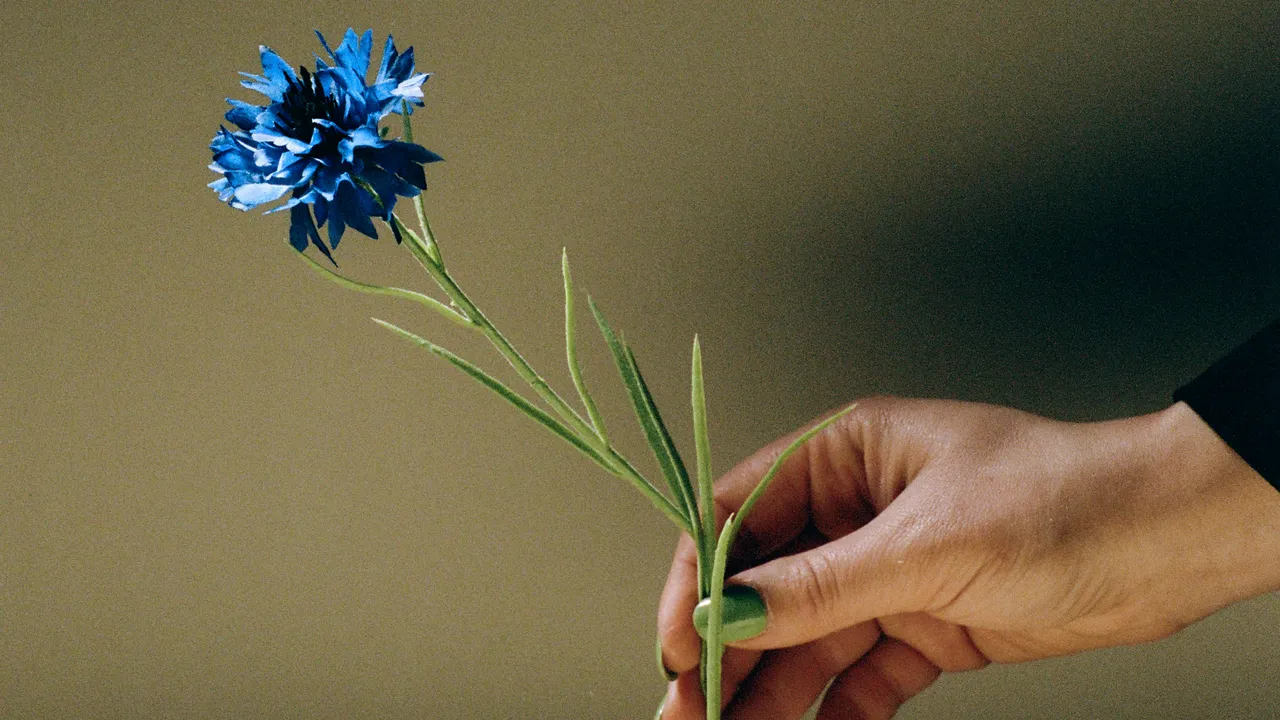
“Being Dutch, flowers are just part of how we live,” says Alexander Jordaan. When he moved from Amsterdam to New York City, he faced a new reality, though: flowers were suddenly expensive, often imported, and frequently dying. During a return trip to the Netherlands, he noticed some silk flowers at a friend’s home, and they piqued his interest. It seemed like the perfect solution. This beautiful silk arrangement was not necessarily something one could buy, though; it was the product of someone with good taste sourcing quality objects and arranging them themselves. “It made me realize that this sort of product exists and the demand is maybe there, but the taste isn’t there,” he says.
Jordaan, whose background is in fashion and brand work, began ordering various stems of artificial florals, trying to put them together on his own. Dissatisfied with the overall quality of the items he was working with, and recognizing a lack of brand recognition or loyalty in the space, he started connecting with Dutch folks in the floral industry. Soon, he’d discovered suppliers in the Netherlands and Belgium who could help him create his own high-quality silk florals, ready to be arranged in contemporary styles similar to those he’d look for in fresh bouquets. In June 2025, Jordaan’s silk floral brand, Apartment387, was born.

For decades, artificial florals have gotten a bad rap. Walk through the aisles of any Michaels, and you’re blinded by tulips with stiff stems, hydrangeas airbrushed in an awkward purple, and plastic greenery that could puncture the skin. “This category clearly comes with baggage,” admits Jordaan, but perceptions seem to be changing, especially as designs and materials advance, and as consumers become educated on the environmental and economic cost of fresh florals.
“The faux floral customer demographic has changed over time—it is younger, embracing the biophilic design movement (florals and plants as essential health and wellness features in homes and offices), and the fact that faux florals are more sustainable than fresh,” says Carolyn McDonough, co-CEO of Diane James Home. For nearly 30 years, Diane James Home has been a go-to for handmade faux florals, offering artificial bouquets and plants.

